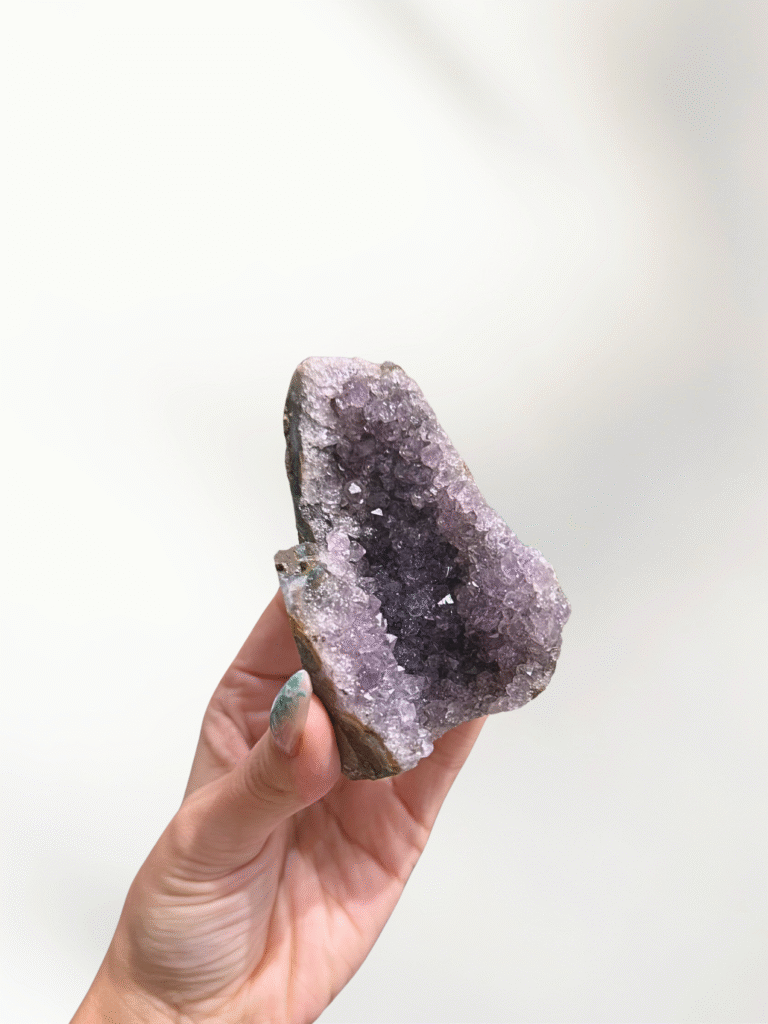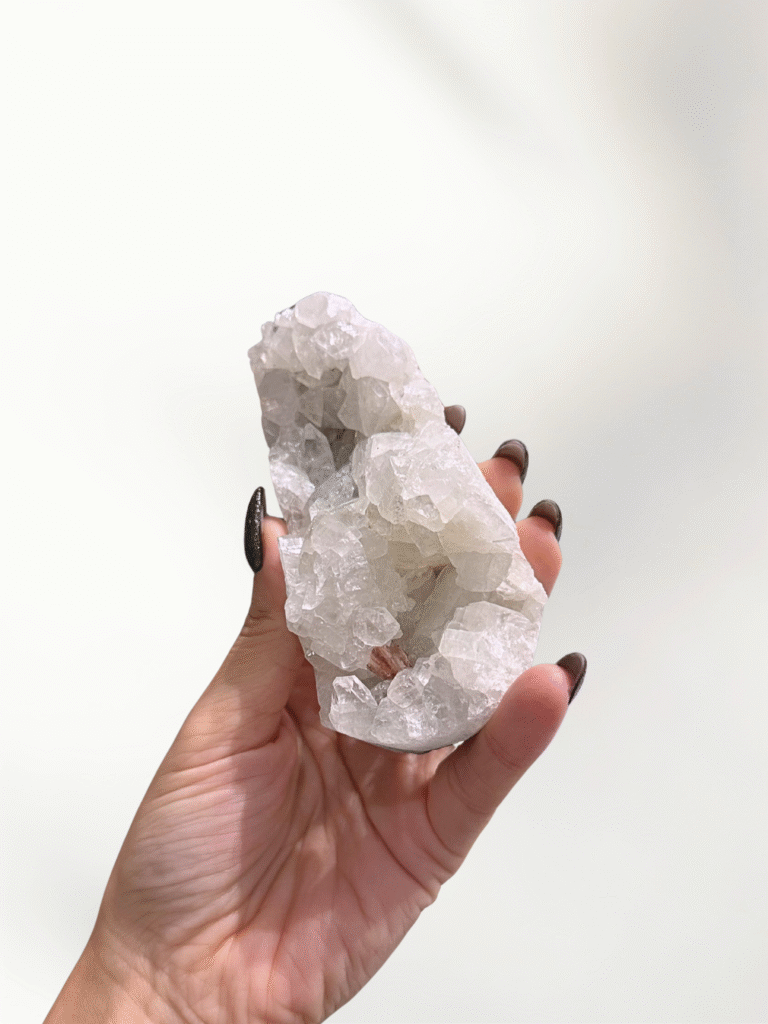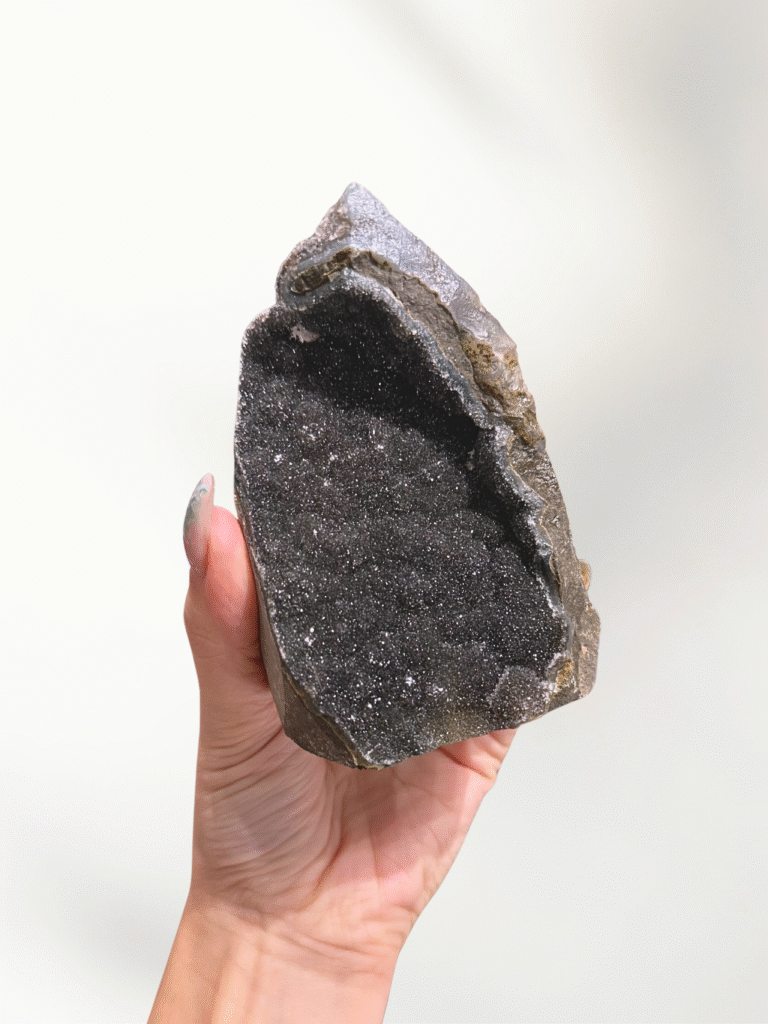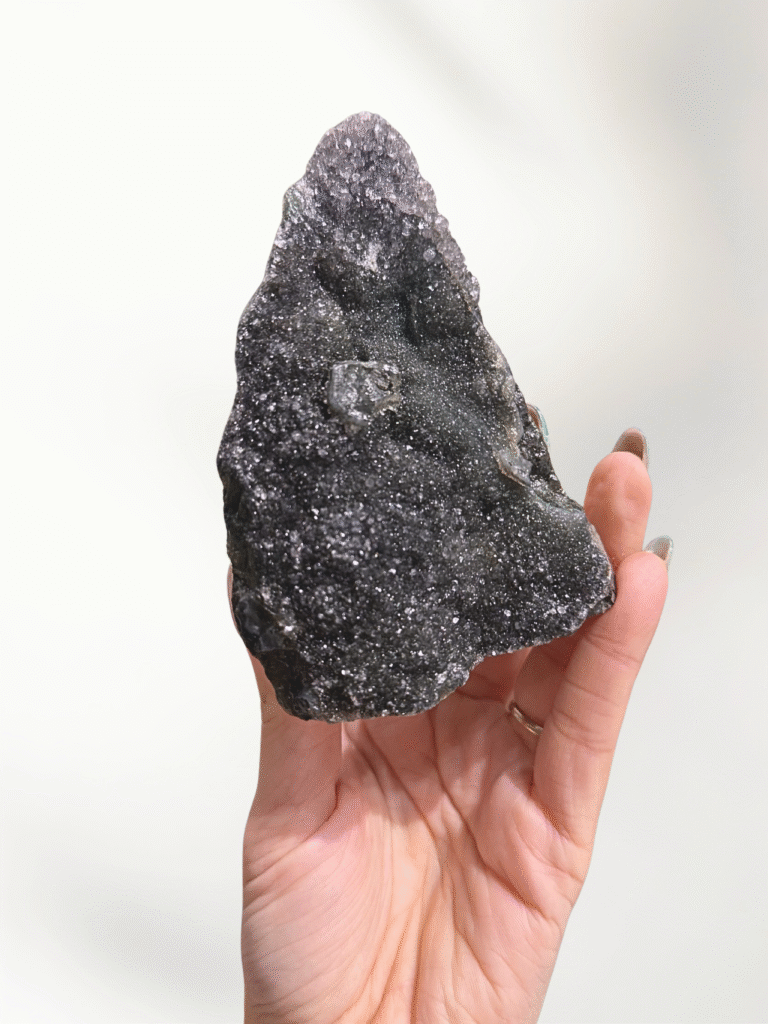
Description
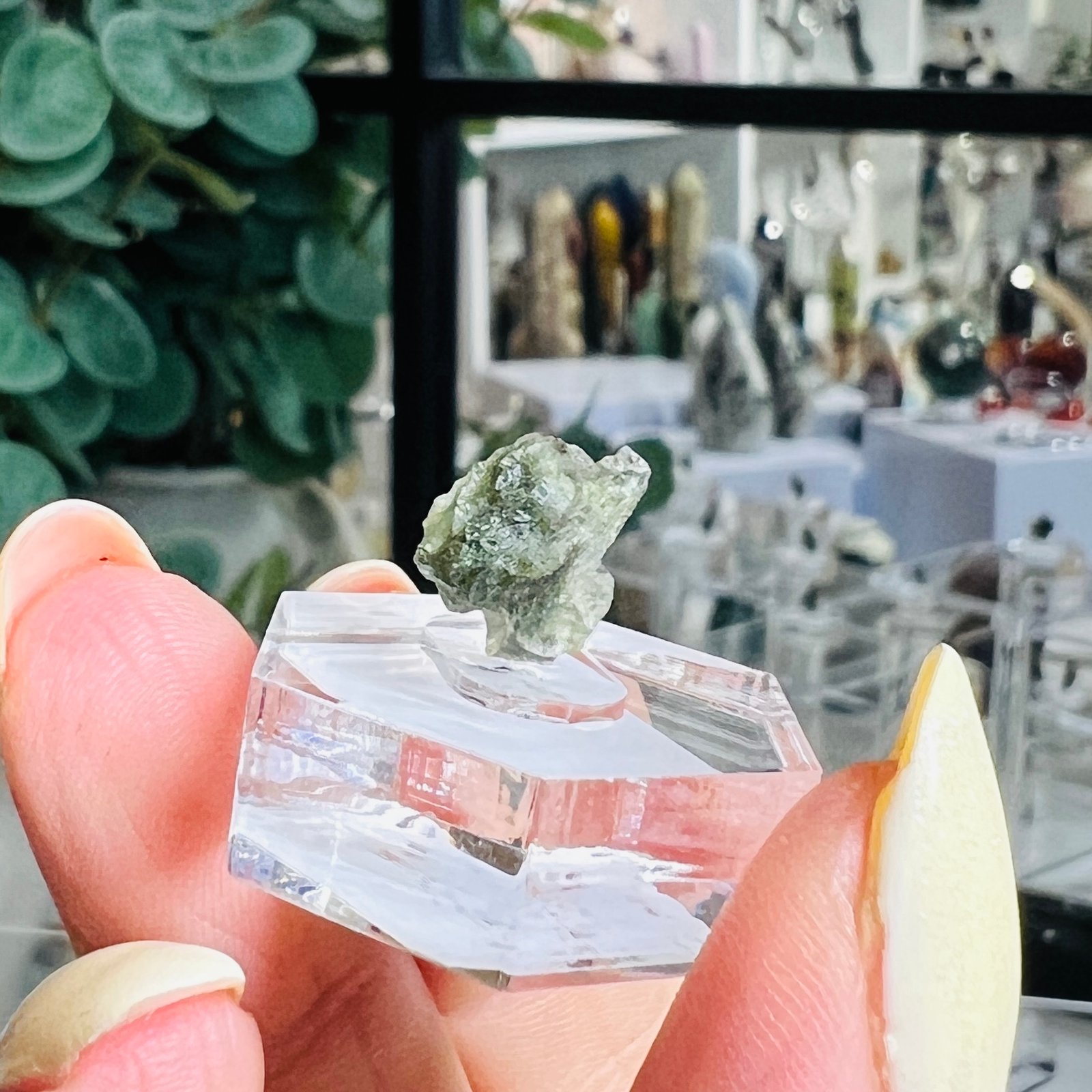
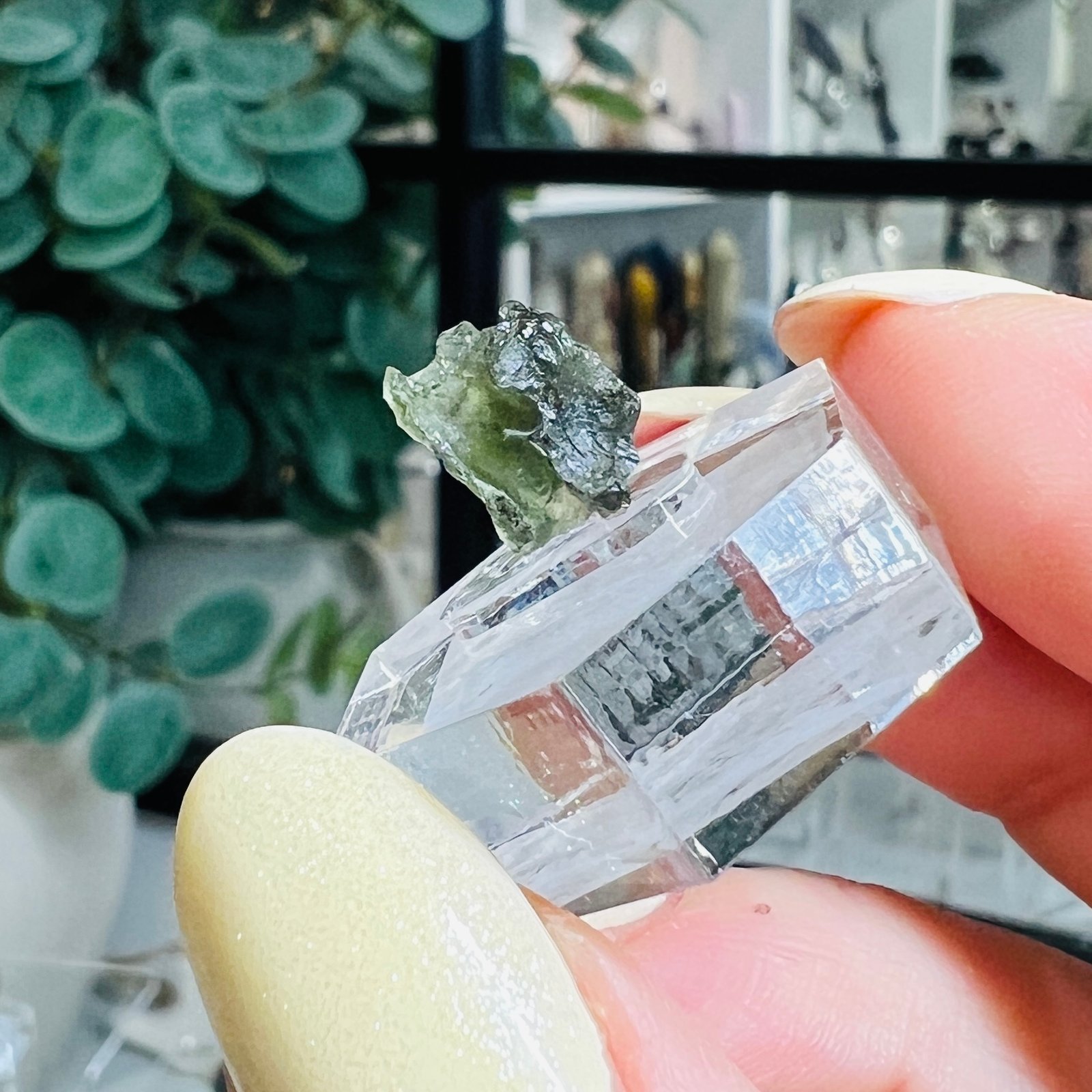
Natural Czech moldavite, 0.52g, uncut and unpolished.
The name
In Czech the stone is vltavín, after the Vltava, the river that runs through Bohemia and past Prague. The German name for that river is the Moldau, and it is the German name that stuck in English, which is how a Czech stone came to be called moldavite.
It was described to science in 1786, when Josef Mayer of Prague University presented it to the Bohemian Scientific Society as a chrysolite. That was wrong, but it was the closest anyone could get at the time. The term moldavite arrives in 1836 with Zippe, once it was understood to be its own thing.
What it actually was took much longer. It was proposed as volcanic, as a manufactured glass, as material from the moon, and as debris from an exploded planet. Only after the Apollo samples came back in 1969 was lunar origin ruled out for good. The current understanding, that it is terrestrial rock melted and thrown by an impact in Bavaria, is comparatively recent.
Stone Age toolmakers were working it long before any of that.
Is moldavite only found in the Czech Republic
Effectively yes, and it is worth being precise about it.
The Central European strewn field is the only one that produced moldavite. Almost all of it lies in southern Bohemia and Moravia, with much smaller occurrences recorded in Upper Austria, Germany and a very little in southwestern Poland. In commercial terms, if a piece is genuine it came out of the Czech Republic.
This piece
Reference C3, 0.52g, from the Chlum sand mine in South Bohemia. Undamaged, with no broken or chipped faces, and not cut, tumbled or polished.
The colour is a pale sage green, at the lighter end of the range, and the surface carries a frosted silver sparkle that catches hard in daylight. The form is squat and blocky rather than elongated, a chunky irregular nugget with a ragged flared crown and a short spur projecting from one side. It is broad for its weight and sits low and steady on the base.
Care
Moldavite is 5.5 to 6 on the Mohs scale and chips rather than scratches. Store it away from quartz and other harder stones. A rinse is harmless. Never use an ultrasonic cleaner. Cleanse with sound, breath or moonlight.
Traditional correspondences
Held in older practice as a marker for change already under way. Short sittings, and put it down for a while if it feels like too much.
The display base
A piece this size is difficult to show without something to stand it in. This one comes with the clear hexagonal base in the photographs, which holds it upright on a shelf or an altar rather than leaving it to sit flat where the surface cannot be seen. The base is included in the price. The stated weight is the moldavite alone.
What you receive
The moldavite piece shown in the photographs, reference C3, 0.52g, together with the clear hexagonal display base shown in the photographs. Nothing else is included. Wrapped and posted from Shropshire by Royal Mail Tracked.
See the rest of the raw moldavite in stock, or browse the raw and rough specimens.
Mineralogy and locality data for moldavite is held on Mindat.
Correspondences are traditional and are offered as part of a practice, not as a substitute for medical or professional advice.