Blodeuwedd, the woman made of flowers who became an owl: her story from the Mabinogi, what her name means, and why she still matters
Blodeuwedd was made from the blossoms of oak, broom and meadowsweet, married without being asked, and turned into an owl for choosing her own love. The Blodeuwedd story is one of the most haunting in Welsh myth, and people have argued about whether she was wronged or free for centuries. Here is her tale, its real history, and the crystals and practices people use with her today.
Blodeuwedd at a glance
Say it: blod EYE weth. The dd sounds like the th in the.
Name means: flower face.
Tradition: Welsh, from the Fourth Branch of the Mabinogi.
Made from: the flowers of oak, broom and meadowsweet.
Becomes: an owl.
Places: Ardudwy and Ffestiniog in north Wales, around Tomen y Mur and the River Cynfal.
Season today: Beltane for her flowers, and the long autumn nights for her owl.
Who Is Blodeuwedd?
Blodeuwedd is a woman created by magic in the Fourth Branch of the Mabinogi, the great collection of medieval Welsh tales. She was made by two magicians, Math and Gwydion, as a wife for the young hero Lleu Llaw Gyffes, because his mother Arianrhod had sworn he would never marry a woman of any race on earth.
She is beautiful, she is new to the world, and she has no say in any of it. What she does next, and what is done to her in return, has made her one of the most discussed figures in all of Celtic myth. Today many people honour her as a goddess of flowers, of spring and of the owl, and as a symbol of a woman who chose for herself.
The Blodeuwedd Story
Made from flowers
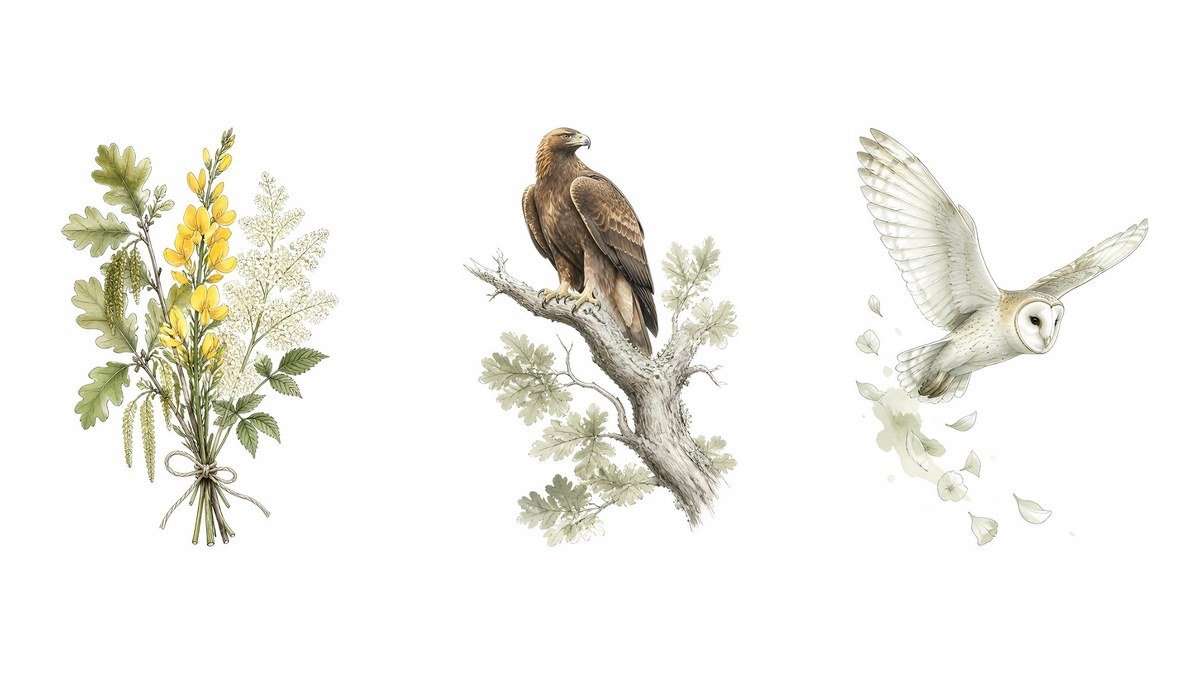
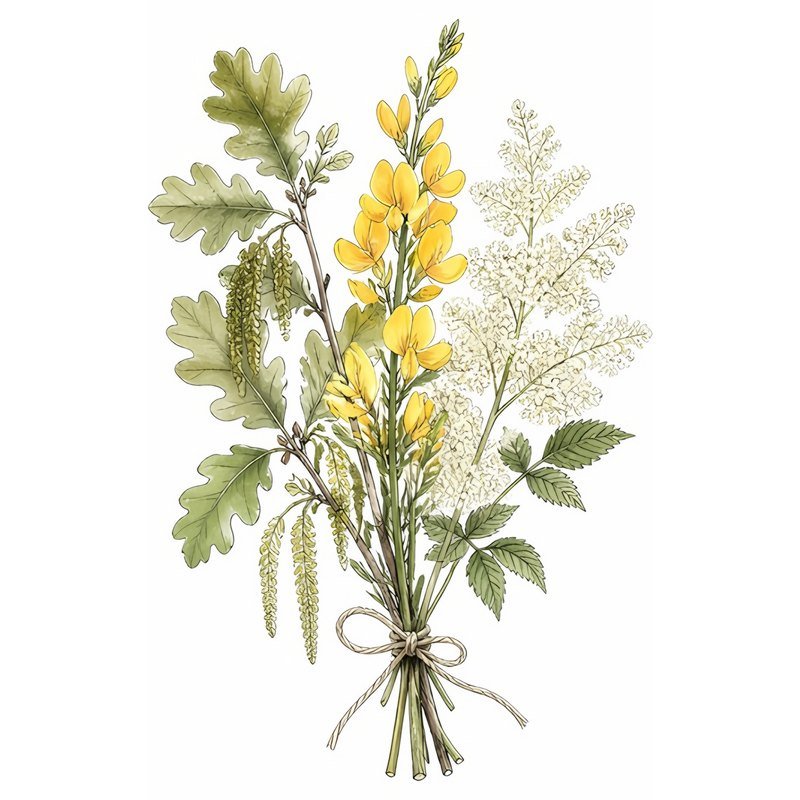
Arianrhod had laid three destinies on her son Lleu: he would have no name unless she gave it, no weapons unless she armed him, and no wife of any race now on the earth. Gwydion found tricks to get around the first two. For the third, he went to his uncle Math, the great magician king of Gwynedd. Together they gathered the flowers of the oak, the flowers of the broom and the flowers of the meadowsweet, and from them they conjured the most beautiful maiden anyone had ever seen. They named her Blodeuwedd, flower face, and gave her to Lleu as his wife.
Math gave the couple land in Ardudwy, and they made their home at a court called Mur Castell, which tradition places at Tomen y Mur near Trawsfynydd, where a Norman mound still sits inside the remains of a Roman fort.
A choice of her own
One day, while Lleu was away, a hunting party passed by. It belonged to Gronw Pebr, the lord of Penllyn. Blodeuwedd invited him in for courtesy, and the moment they looked at each other they fell in love. It was the first thing in her life that she had chosen for herself.
Lleu could not easily be killed. So Blodeuwedd, pretending to worry for his safety, gently drew out of him the strange conditions under which he could die. He could not be killed indoors or outdoors, on horseback or on foot. Only a spear worked on for a whole year, only on Sundays during mass, could do it, and only if he stood with one foot on the edge of a bath beneath a thatched roof by a riverbank and the other on the back of a goat.
She was asked to love on command. The one time she chose for herself, the whole story turned against her.
The eagle in the oak
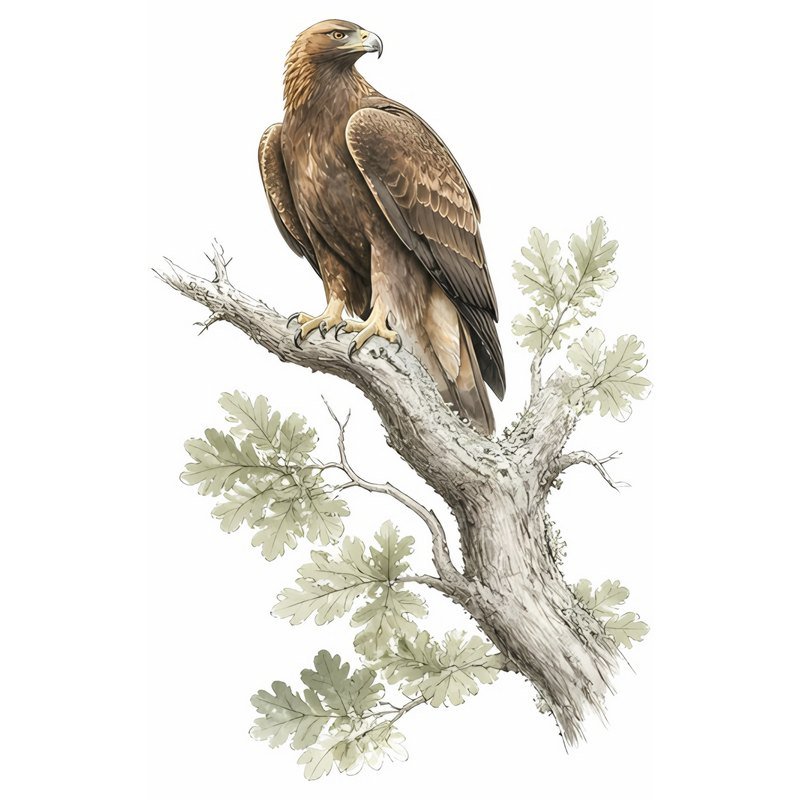
A year later, Blodeuwedd persuaded Lleu to show her exactly how he would stand. As he did, Gronw threw the spear from a hill beside the River Cynfal. Lleu gave a terrible cry and flew up into the air as an eagle, and was gone.
Gwydion searched all of Wales for him. At last he followed a sow to a valley called Nant y Llew, where an eagle sat wasting in the top of an oak. Gwydion sang three verses, and with each one the eagle came lower, until it landed on his knee. He touched it with his wand and Lleu was a man again, thin and close to death, but alive.
Turned into an owl
When Gwydion came for Blodeuwedd, she fled with her maidens toward the mountains. In their terror the maidens looked back, fell into a lake and drowned. Local tradition names it Llyn Morwynion, the lake of the maidens, above Ffestiniog. Blodeuwedd alone was caught.
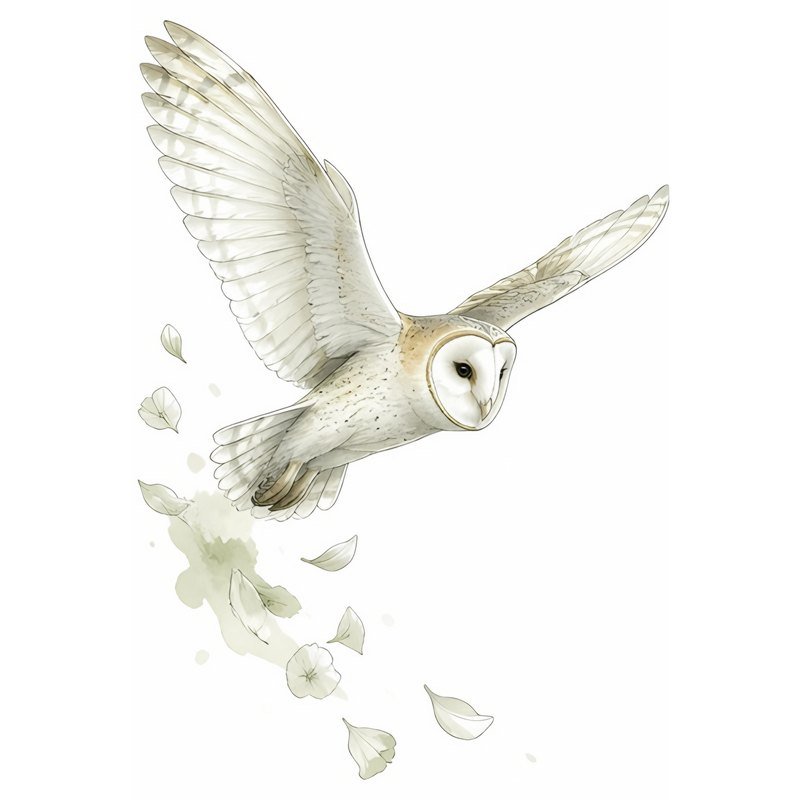
Gwydion did not kill her. He said he would do something worse. He turned her into a bird and told her she would never again dare to show her face in the light of day, that all other birds would hate her and attack her wherever they found her, and that she would keep her name forever. The tale ends by saying that Blodeuwedd is a word for owl in the language of its own time.
Gronw, for his part, was made to stand where Lleu had stood and take a spear in return. He asked to hold a stone slab between himself and the blow. The spear passed straight through the stone and through him, and the holed stone was called Llech Gronw ever after.
Was Blodeuwedd Wronged, or Was She Free?
This is the question that keeps her alive. For centuries the story was read as a warning about a faithless wife. Many modern readers see it very differently.
Blodeuwedd was made for someone else’s purpose, without a childhood, a family or a choice. She was married the day she was made. When she finally wanted something for herself, she was hunted down and transformed. Read that way, she is one of the most wronged women in the Mabinogi, and the owl that refuses the daylight becomes a symbol of a woman who would rather live wild than be made into someone else’s idea of a wife.
Others point out that she did plot a murder, and that the tale does not ask us to admire her. Both readings are honest. Perhaps the reason the story lasts is that it does not settle the question for us. It leaves us sitting with it, the way the best old stories do.
Blodeuwedd, Flowers and the Owl
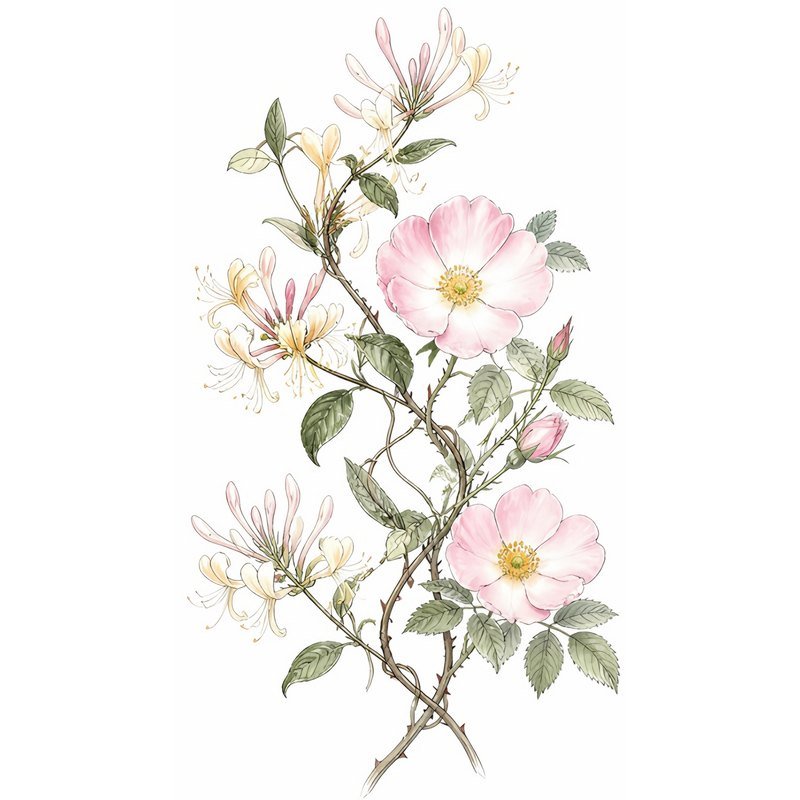
Because she was made from blossoms, Blodeuwedd is often honoured at Beltane, the May festival of flowers, when the broom and hawthorn are out and meadowsweet is not far behind. Oak, broom and meadowsweet are all native British plants, which makes her one of the most local of goddesses. You can find all three within a few miles of most homes in Wales and England.
Her other season is the long night. The owl is a creature of autumn and winter dark, heard more than seen, and many people who work with Blodeuwedd feel closest to her when the nights draw in. The tawny owl’s call is a familiar October sound across Britain, as the young owls look for territories of their own.
The Honest History of Blodeuwedd
Her story is medieval and Welsh. The Four Branches of the Mabinogi survive in two great manuscripts, the White Book of Rhydderch from the middle of the fourteenth century and the Red Book of Hergest from around 1400, both described by the National Library of Wales. The tales themselves were probably shaped in the eleventh or twelfth century from much older storytelling. You can read Lady Charlotte Guest’s nineteenth century translation of the Fourth Branch on sacred texts.
She is not called a goddess in the old text. The Mabinogi does not describe its characters as gods at all. Historian Ronald Hutton makes this point in his lecture Finding Lost Gods in Wales. Seeing Blodeuwedd as a goddess of flowers and spring is a modern reading, and a lovely one, but it is a modern one.
The places are real. Tomen y Mur, the Afon Cynfal and Ffestiniog are all there to visit, and the Royal Commission’s record of Tomen y Mur describes the medieval mound and Roman fort. A holed stone thought to be Llech Gronw has been found more than once by the river, though no one can be sure which, if any, is the original. The Eryri National Park has a short retelling of her story tied to the landscape.
Her modern life is rich. The Welsh dramatist Saunders Lewis wrote a celebrated play called Blodeuwedd. Alan Garner’s novel The Owl Service, published in 1967 and later made for television, retold the story through three teenagers in a Welsh valley, and many readers first met her there. Feminist retellings since have made her one of the most popular figures in modern Celtic spirituality.
Crystals for Blodeuwedd
No medieval text links Blodeuwedd with crystals. The stones below are modern correspondences chosen for her flowers, her heart and her owl. All are stocked at Mystic Grove.
Flower agate, for the woman made of blossoms
Flower agate holds tiny bloom like patterns inside soft pink and cream stone. Of every stone we carry, it is the closest match for a woman made from flowers. Ours is a flower agate sphere with druzy pockets, a lovely altar centrepiece for Blodeuwedd.
Rose quartz, for love that is freely chosen
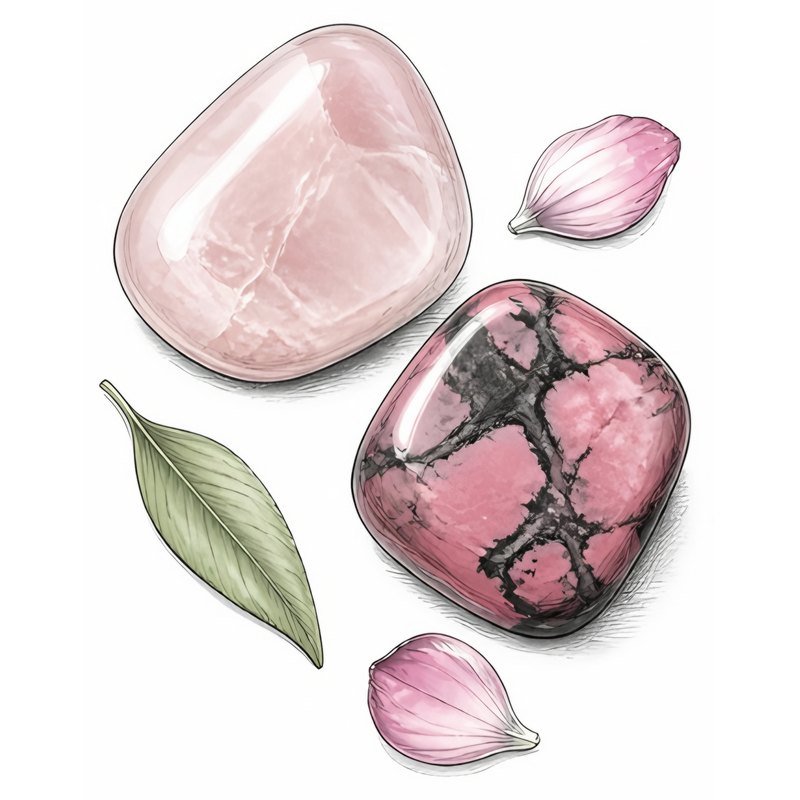
Rose quartz is the classic stone of love, and with Blodeuwedd it speaks of the love she chose for herself. Many people use it for self love and self worth. Try a rose quartz palm stone or a rose quartz heart.
Rhodonite, for a heart that has been hurt
Pink rhodonite with its black veins is often described as a stone for emotional healing and forgiveness, love with its wounds showing. It suits a story with so much hurt in it. See our rhodonite towers.
Moonstone, for the night
Moonstone glows softly like moonlight, the only light the owl is said to keep. It is a gentle stone for intuition and for working at night. Our moonstone spheres and tumblestones both suit her.
Labradorite, for transformation
Labradorite flashes with hidden colour, the right stone for a woman who changed shape. It is also one of the stones in our 5cm crystal owl carvings, alongside green aventurine, bloodstone, clear quartz and red jasper.
Green aventurine, for spring growth
Green aventurine carries the fresh green of new leaves, the season Blodeuwedd was born in. It is a hopeful stone for new beginnings. Find it as a green aventurine tower or tumblestone.
An owl on the altar. If you would like a single focus for Blodeuwedd, a small crystal owl says more than a pile of stones. Choose the stone that matches what you are asking for: rose tones for love, labradorite for change, clear quartz for a fresh start.
A Simple Flower Offering to Blodeuwedd
This practice honours Blodeuwedd and the part of you that wants to choose for yourself. It can be done at any time of year, with whatever flowers or leaves are in season.
- Gather three flowers or sprigs. In spring and summer, look for oak, broom and meadowsweet. In autumn and winter, use any three flowers, leaves or dried herbs you have.
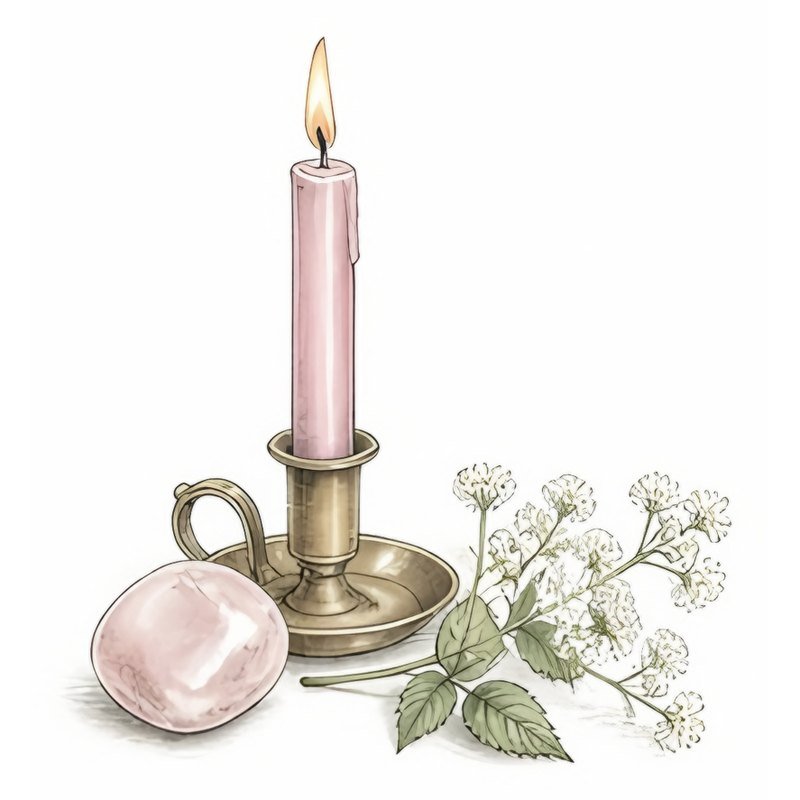
- Set them on a white plate or cloth with a pink chime candle and a piece of rose quartz.
- Light the candle and say her name. Blodeuwedd, flower face.
- Name one thing you love about yourself. Say it aloud. Then name one choice in your life that you want to make for yourself, not for anyone else.
- Sit quietly for a few minutes. Hold the rose quartz and notice your breath, or listen for any owl calls if you are near an open window at night.
- Close. Put out the candle and return the flowers to the earth or the compost.
Signs Blodeuwedd May Be Calling You
- Owls keep appearing, in your garden, your dreams or your social feed.
- You feel shaped by other people’s expectations and long to choose for yourself.
- Wildflowers, hedgerows and May blossom move you more than you can explain.
- You are going through a transformation that feels both painful and freeing.
- You find yourself defending women in old stories who were cast as the villain.
If you are unsure, our guide to which goddess is calling you may help.
Light a candle for Blodeuwedd
Our Manifest Magic chime candles come in ten colours. Goddess Pink is made for self love, which makes it a natural choice for Blodeuwedd, and Protection White suits her moonlit owl.
Questions People Ask About Blodeuwedd
What does Blodeuwedd mean?
Blodeuwedd means flower face, from the Welsh blodau, flowers, and gwedd, face or appearance.
How do you pronounce Blodeuwedd?
Say blod EYE weth. The final dd is said like the th in the.
What flowers was Blodeuwedd made from?
In the Mabinogi she is made from the flowers of the oak, the broom and the meadowsweet. Some modern versions add more flowers, often based on a medieval poem called The Battle of the Trees, but the Mabinogi names those three.
Why was Blodeuwedd turned into an owl?
Gwydion turned her into an owl as punishment for plotting with Gronw to kill Lleu. He said she would never again show her face in the light of day.
Is Blodeuwedd a goddess?
The Mabinogi does not call her one. Today many people honour her as a goddess of flowers, spring, owls and self determination, and that modern devotion is very much alive.
What is the Welsh word for owl?
The everyday Welsh words are tylluan and gwdihŵ. The Mabinogi says that in its own time Blodeuwedd was also a word for owl.