Description
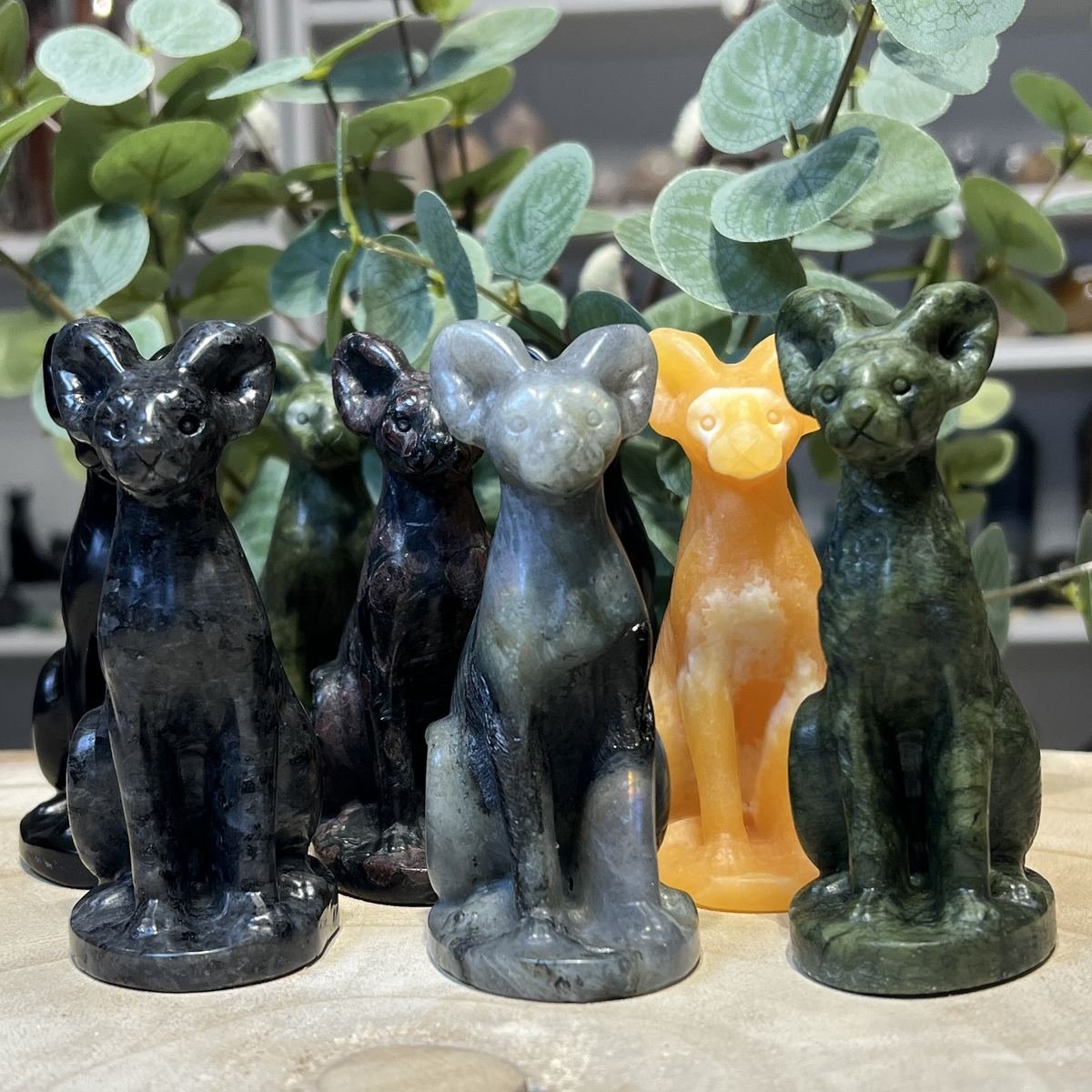
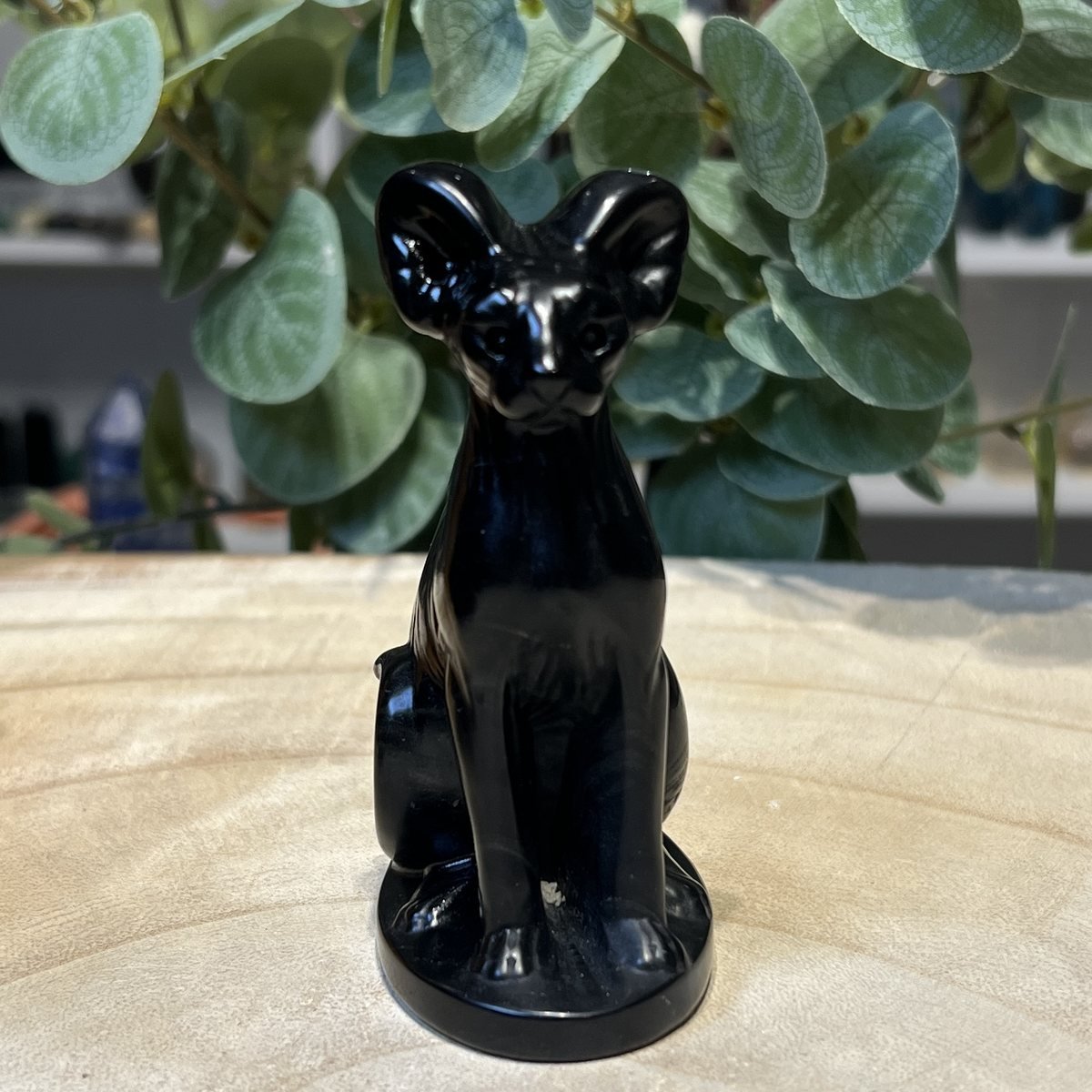
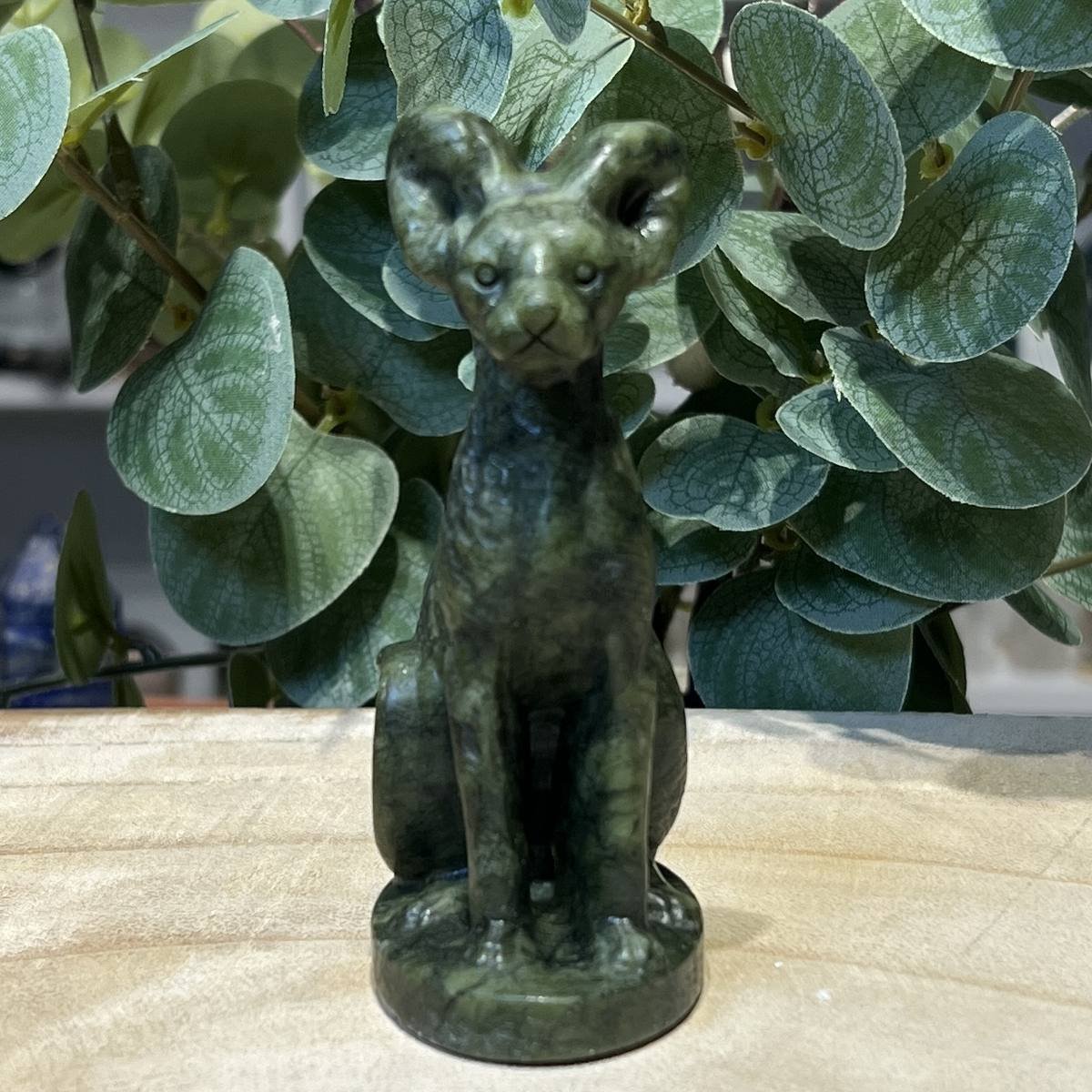
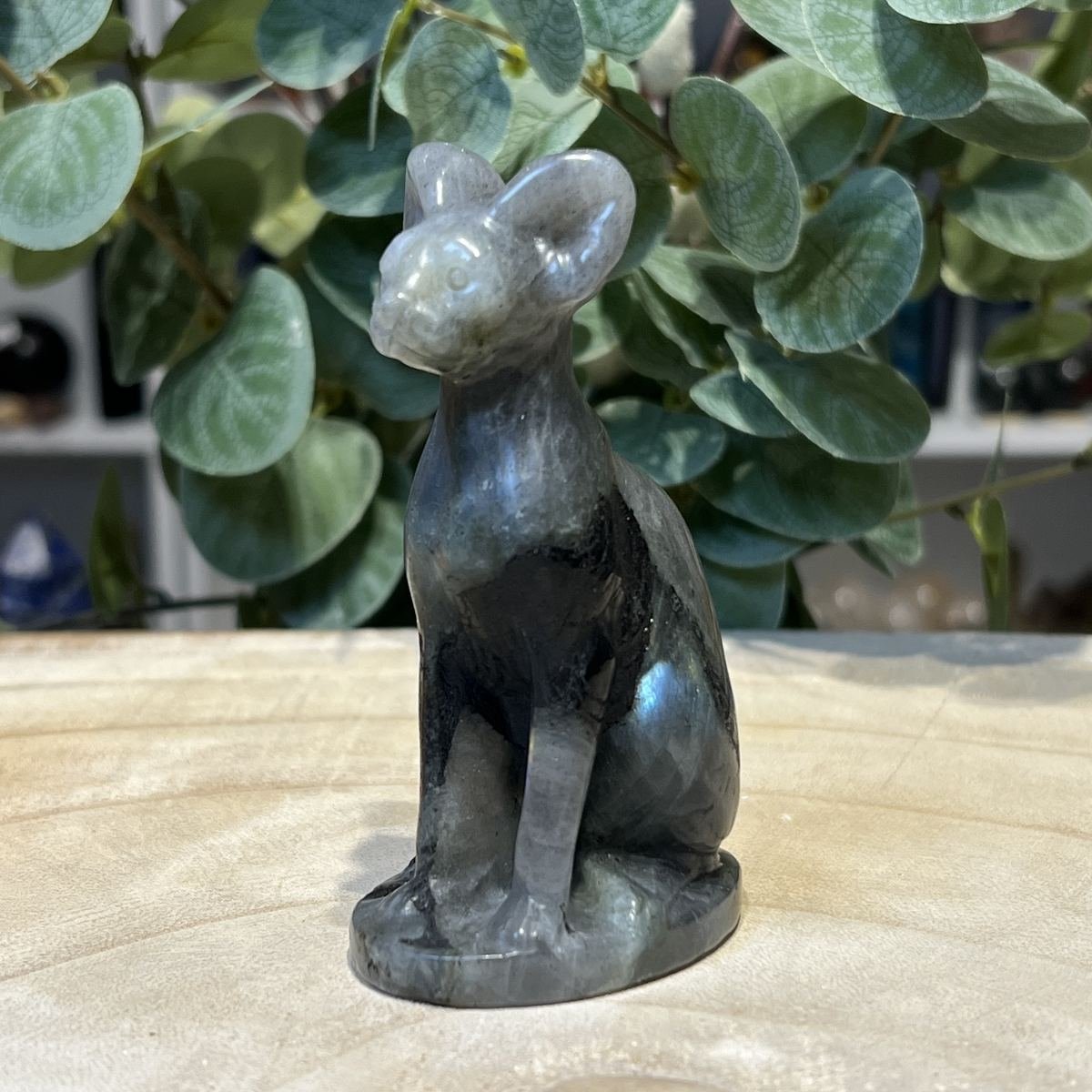
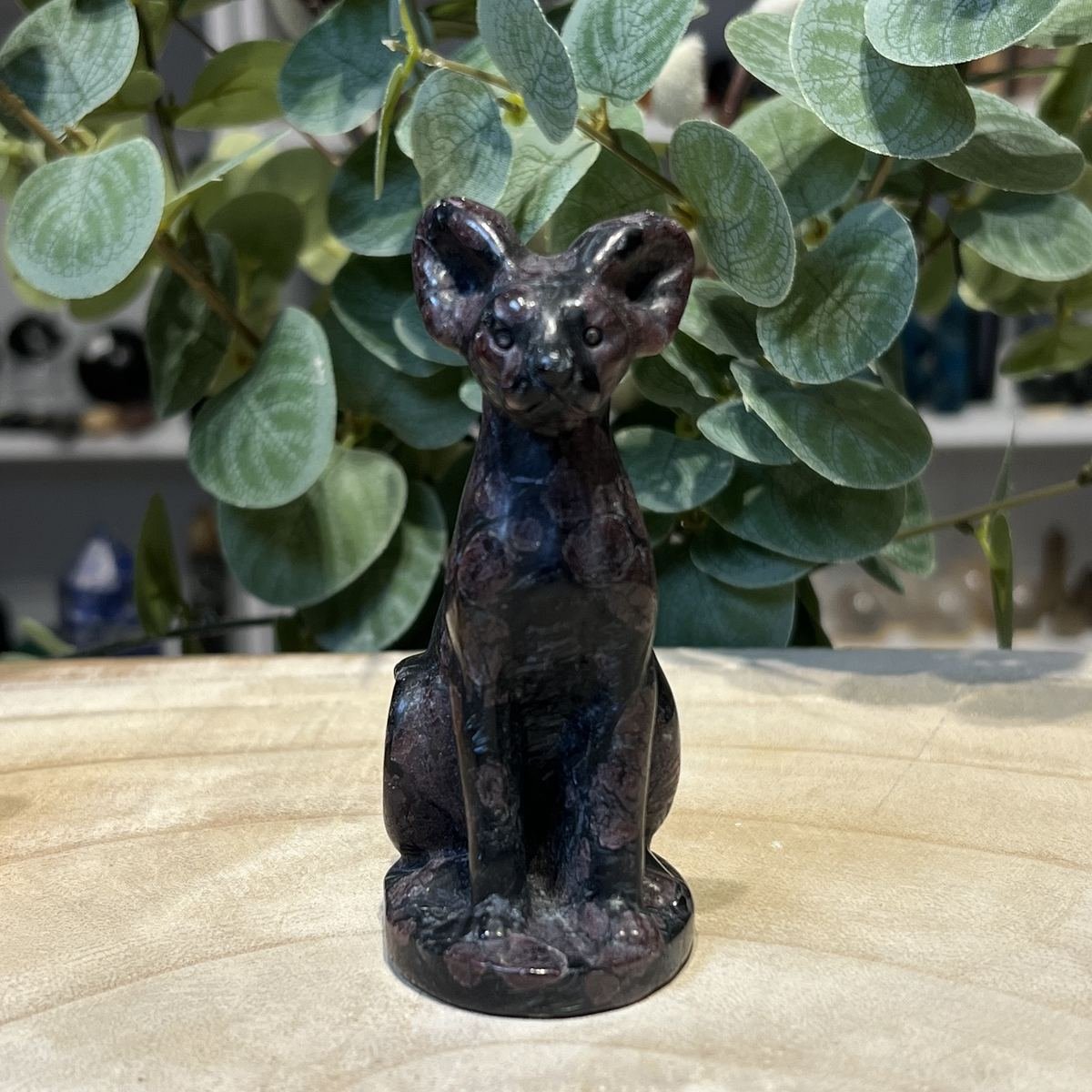
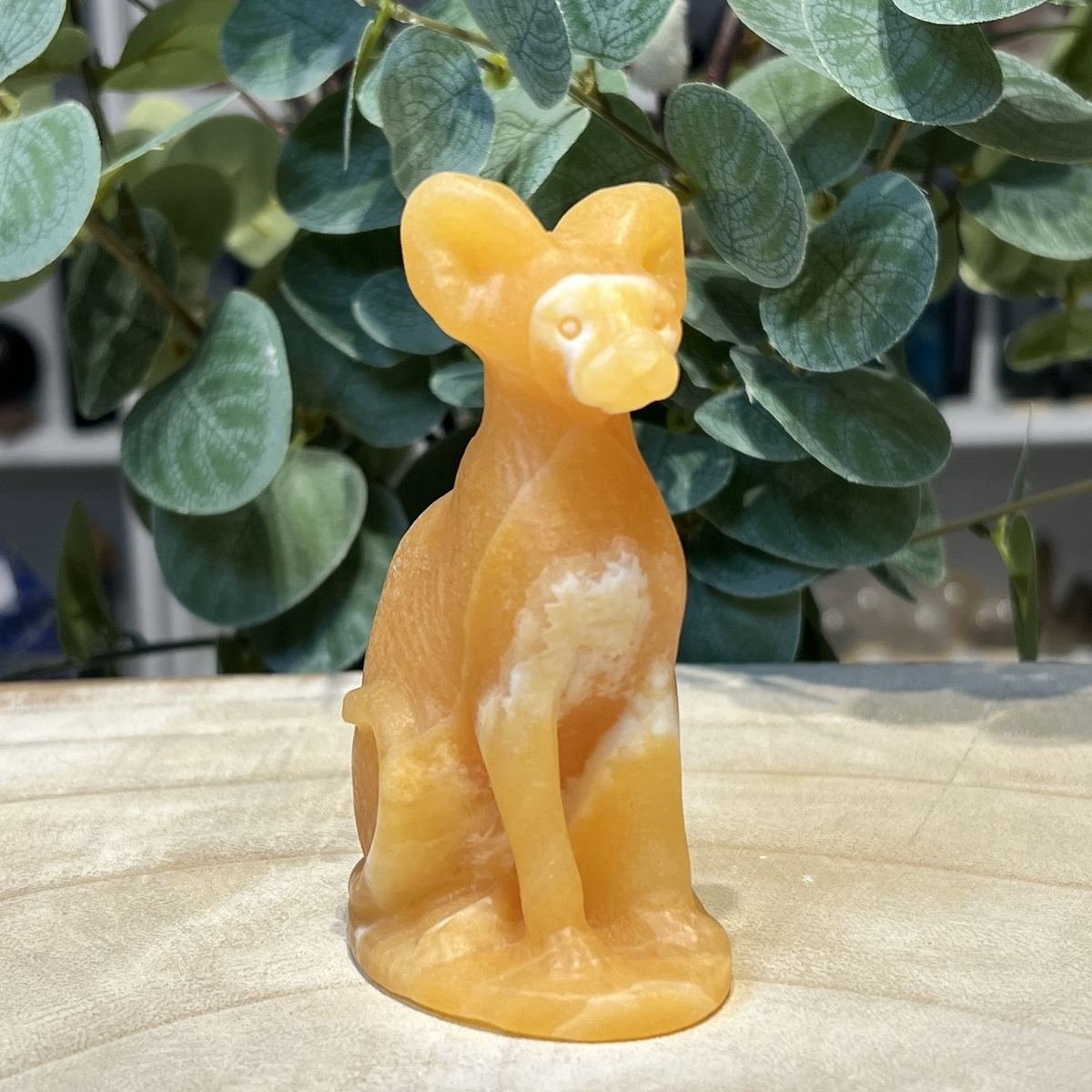
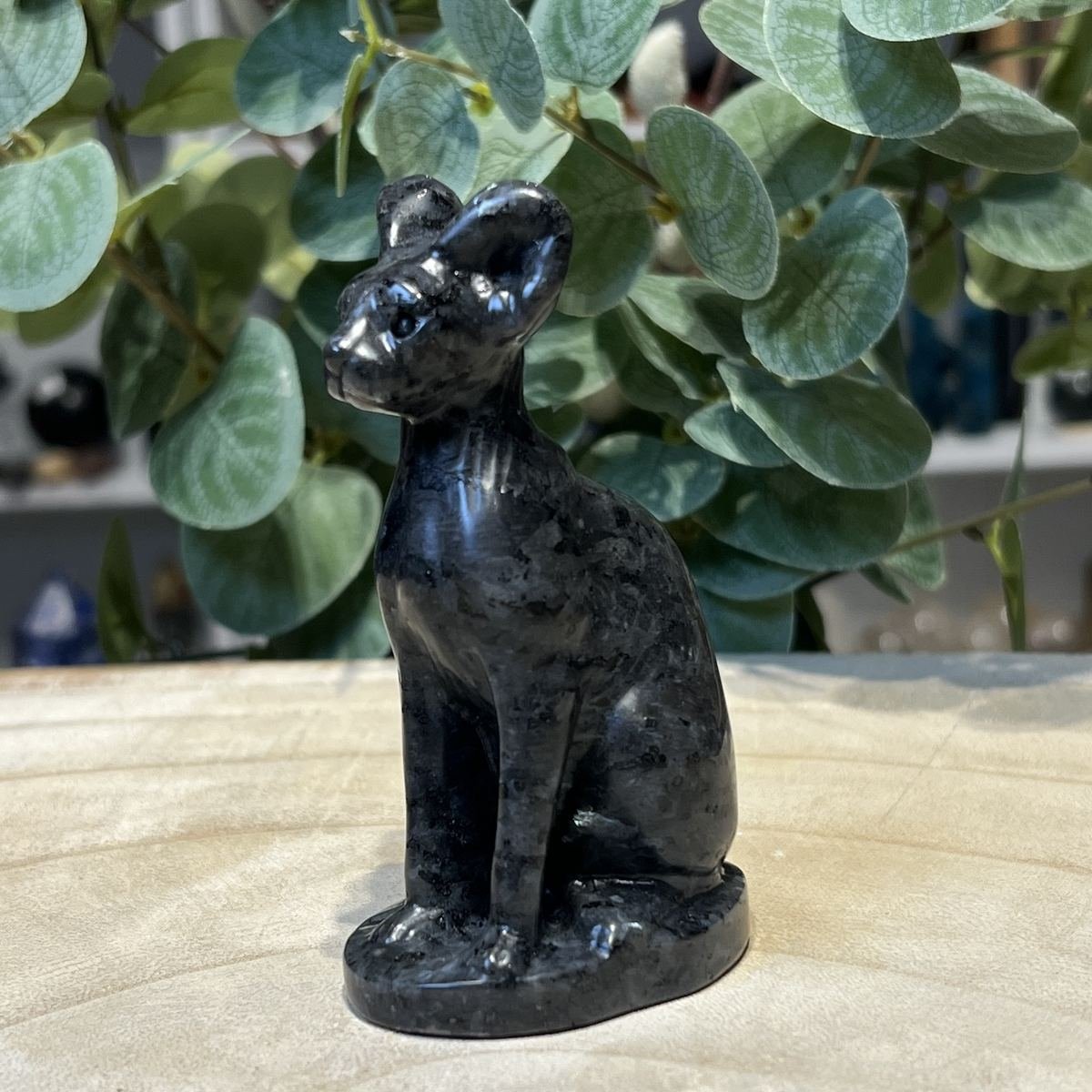
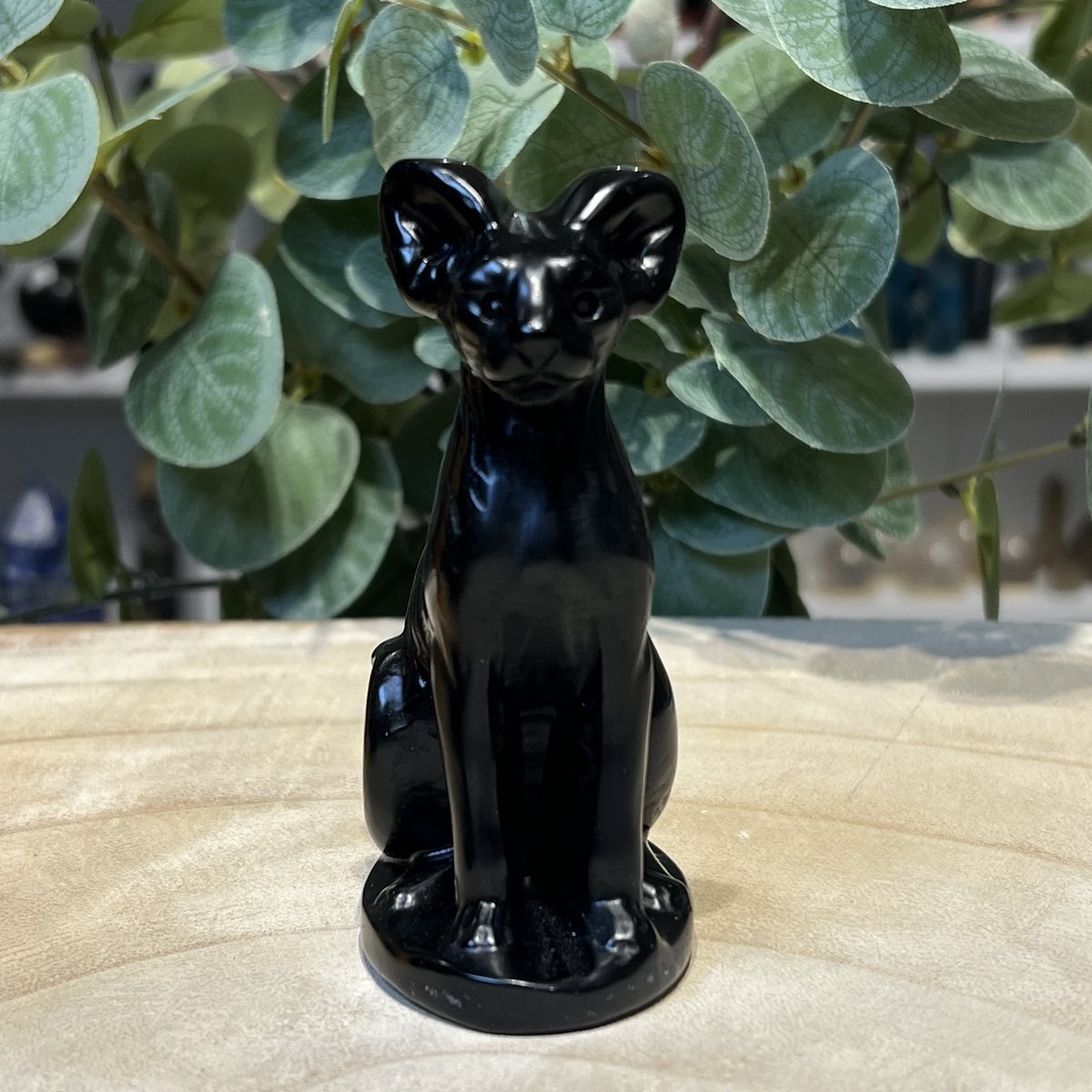
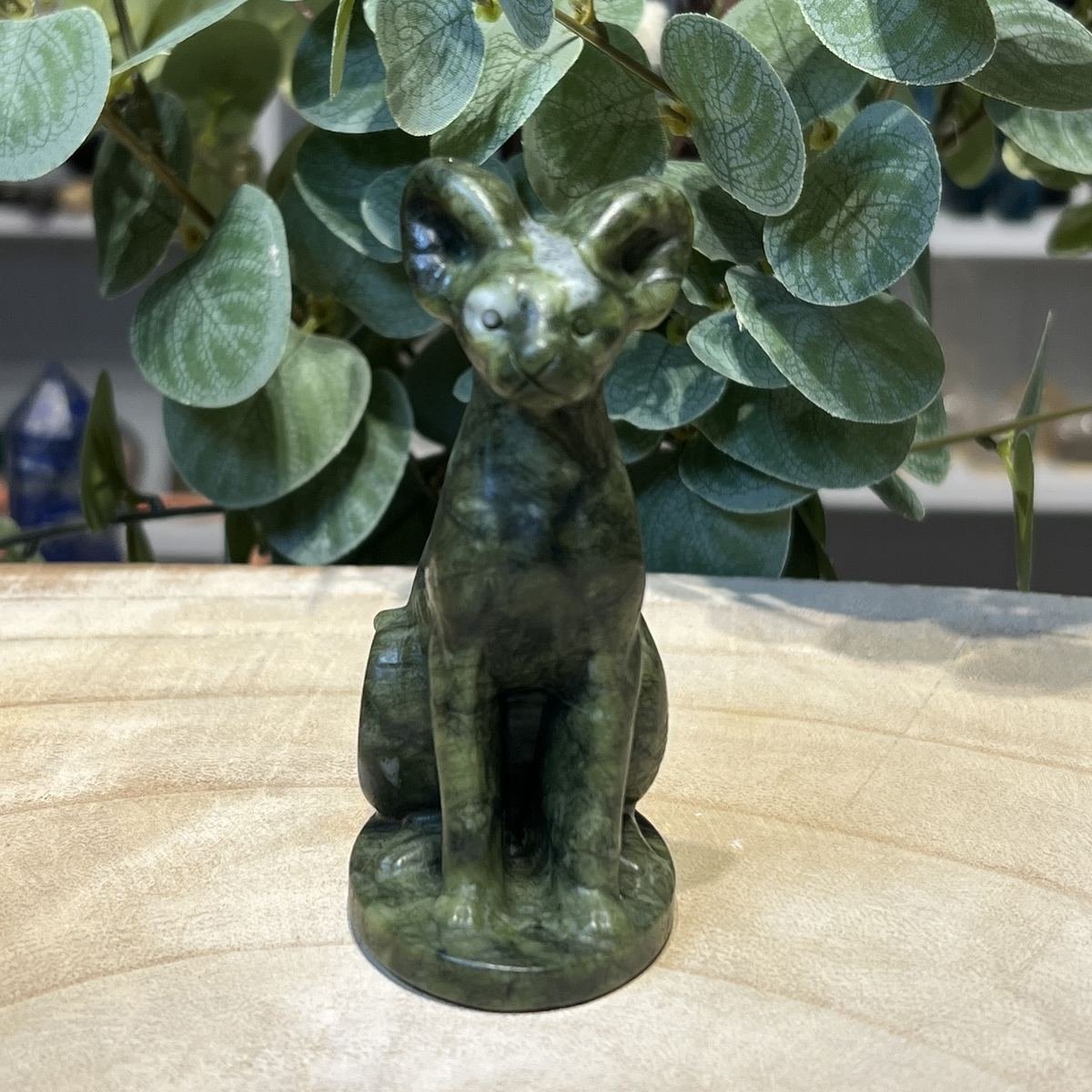
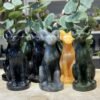
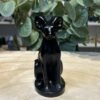
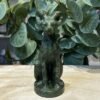
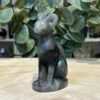
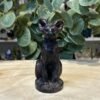
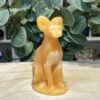
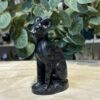
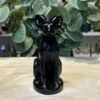
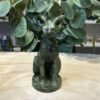
This bastet cat statue stands 10cm, carved and polished, and comes in six stones. Each one is the same seated cat, upright and alert, with tall flared ears and a broad face.
It is a modern reading of her rather than a copy of an ancient one. The cat most people picture, slender and long necked with small pricked ears and gold rings in them, is the Gayer-Anderson Cat in the British Museum, and our black obsidian Bastet statue follows that classical shape. These six take the same goddess and give her a bolder, more graphic outline.
Why it looks Egyptian, and the twist
The cat carved here is a sphynx. Bare skin, tall flared ears, the wedge face and the long lean body are all that breed rather than a tabby.
Here is the part most people have backwards. The sphynx is not an ancient Egyptian cat at all. The breed is modern and Canadian, traced to a hairless kitten born in Toronto in the 1960s, and it was named sphynx because it looked like Egyptian sculpture. The resemblance came first and the name followed. So a sphynx carved as Bastet is a cat named after Egyptian art, carved back into Egyptian art, which is a neater circle than it first appears.
It also makes these a gift for a sphynx owner as much as for someone who works with Bastet. If you know one, they will spot the breed immediately.
Who Bastet actually was
She did not start as a cat. The earliest Bastet is a lioness, fierce and solar, and she softened into the cat over a long stretch of Egyptian history rather than all at once. Her cult centre was Bubastis in the Delta, which held one of the liveliest festivals in Egypt.
She guarded the household and the people in it, particularly women and children, and she ruled joy, music and dance. She was a daughter of Ra, which makes her a sun goddess by descent.
The moon connection came later and from outside Egypt. Greek writers matched her to Artemis, and Artemis brought the moon with her. It is a real part of how Bastet has been understood for two thousand years, but it is Greek rather than Egyptian, and it is worth knowing which is which.
Choose your stone
- Orange Calcite, Bastet of Joy. The closest fit to her festival side. Warmth, play and creative spark, and the sacral chakra. For bringing laughter back into a house.
- Black Obsidian, Bastet the Guardian. Her protective face, for the doorway. Egyptian craftsmen set obsidian into the eyes of their statues, Tutankhamun’s mask among them, so a black cat in obsidian has a genuine Egyptian thread.
- Labradorite, Bastet of the Moon. The Artemis side. Cats see in the dark and labradorite is the seer’s stone, so this one is for trusting what you sense when the road is unclear. Good for moon work.
- Garnet, Bastet the Lioness. The fierce daughter of Ra before she softened. Vitality, devotion and courage, and the root. Egyptians wore garnet from very early on.
- Green Jade, Bastet of the Home. Harmony, good fortune and a settled household. Green was the colour of new life along the Nile. A hallway or kitchen windowsill stone, and a good housewarming gift.
- Mystic Merlinite, Bastet of Two Natures. She was lioness and house cat, sun and moon. Mystic Merlinite is known for holding light and shadow together, which suits her exactly.
A note on Mystic Merlinite
Mystic Merlinite is a speckled stone of black, white and soft indigo. There is a second stone sold simply as Merlinite, which is a black and white dendritic agate and a different thing entirely. If you have met the name before and the picture did not match, that is why.
Caring for a carved cat
Six stones means six hardnesses, so the safe rule is to treat the softest as the standard. Calcite and jade mark more easily than the rest, and calcite will etch if anything acidic reaches it.
Dust with a dry soft cloth. Keep them off windowsills in strong afternoon sun, since the orange calcite will pale over time. No long soaks for any of them, and stand them where a sleeve will not catch the ears, which are the thinnest part of the carving.
On a shelf or an altar
A seated figure wants to look at something. Facing a door suits the guardian reading, facing into the room suits the household one, and beside a bed suits the lunar one.
These are traditional associations and part of a practice. They are not treatment, and nothing here stands in for medical or professional advice.
More in crystal carvings, and on settling a new piece in how to cleanse crystals.
Every piece in this listing is photographed and measured on its own, and the piece shown is the piece that is posted. How single piece listings work at Mystic Grove.